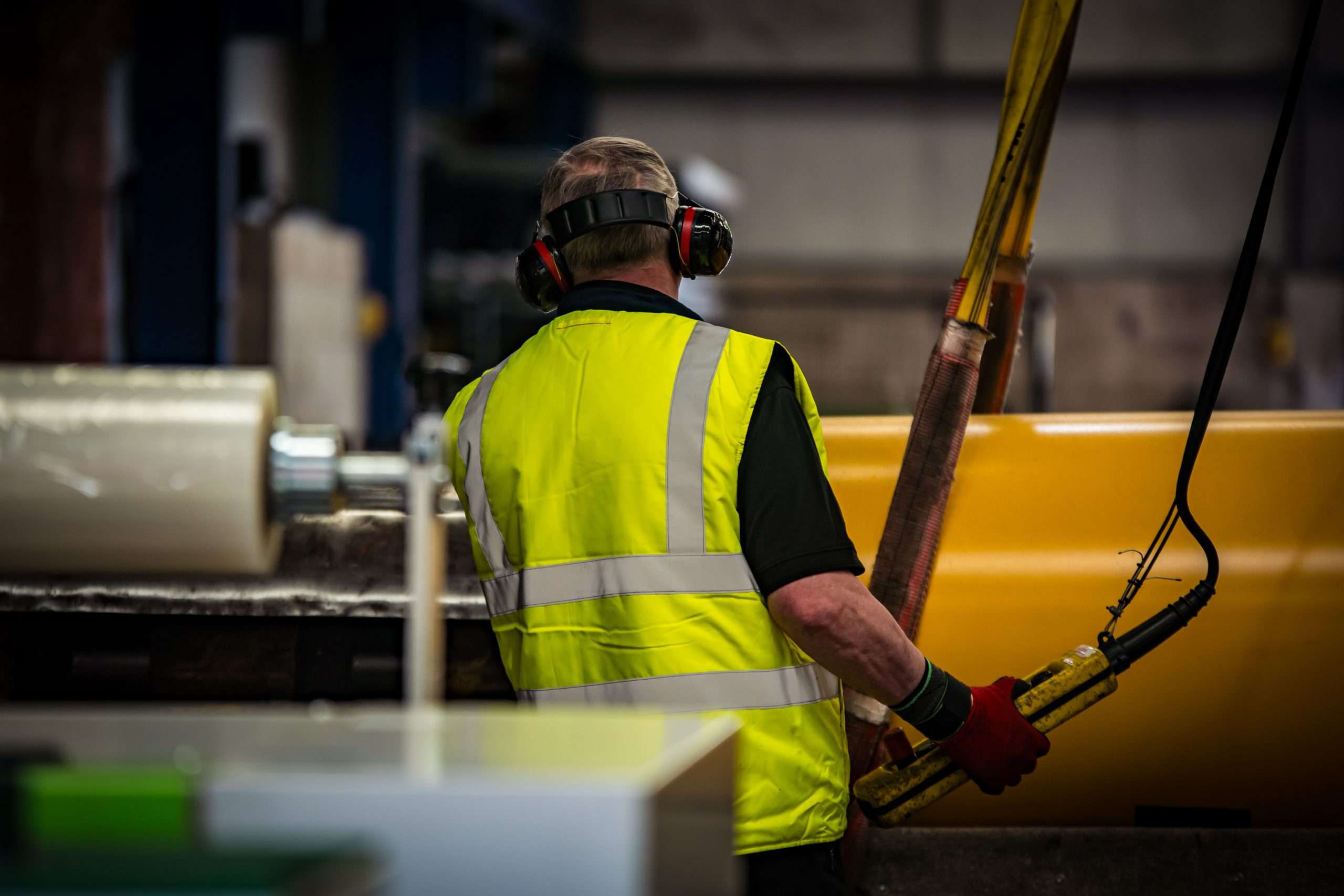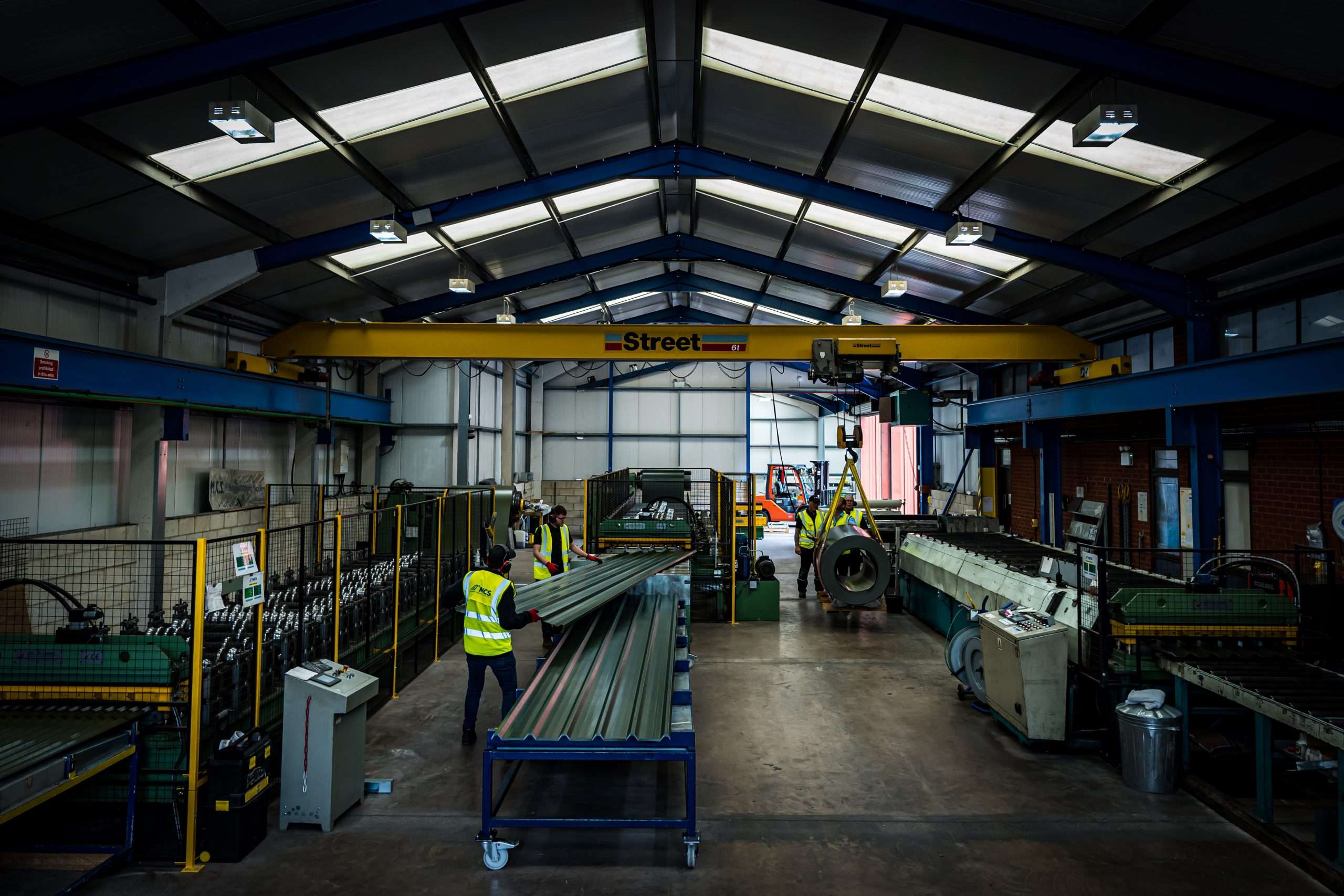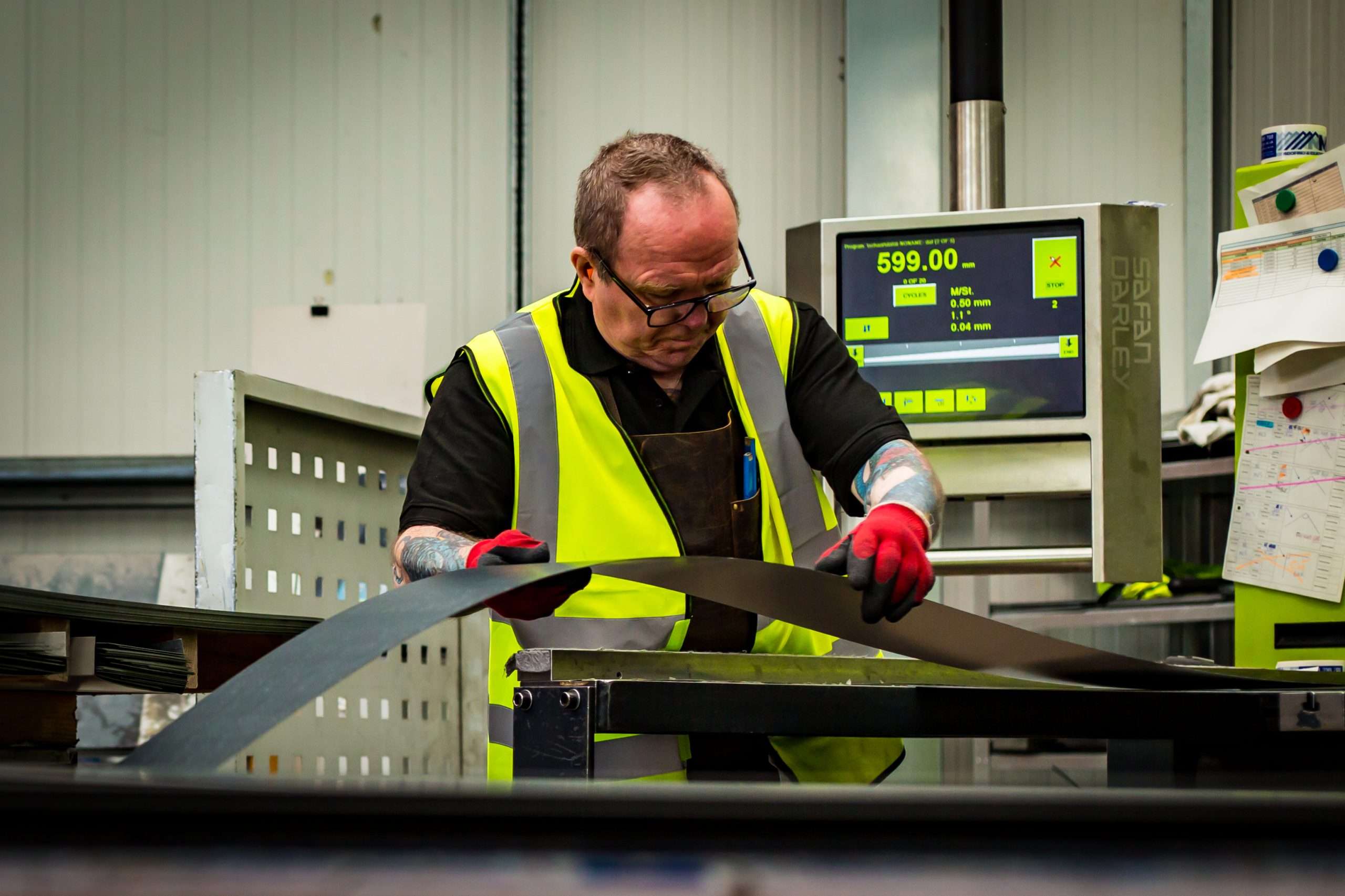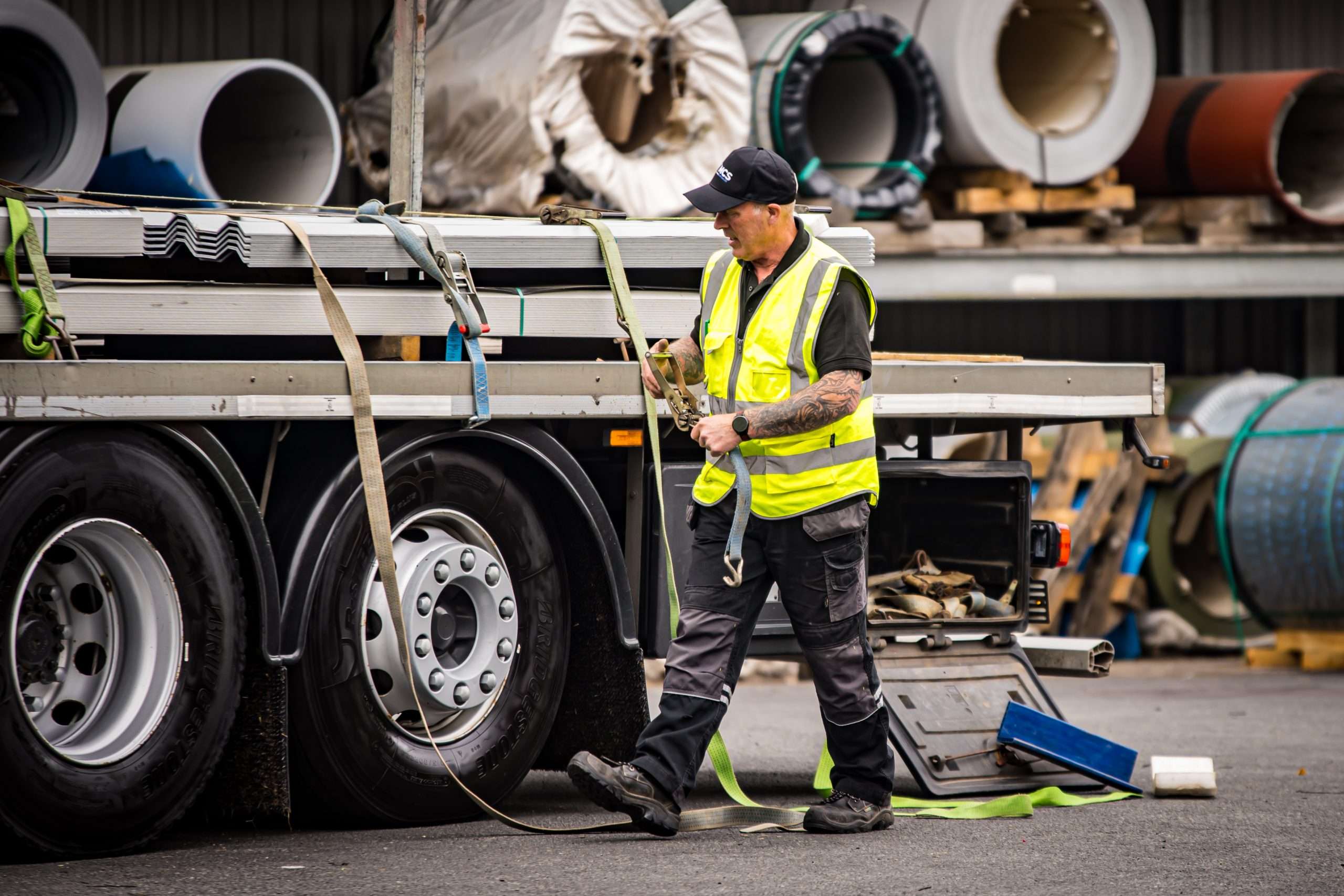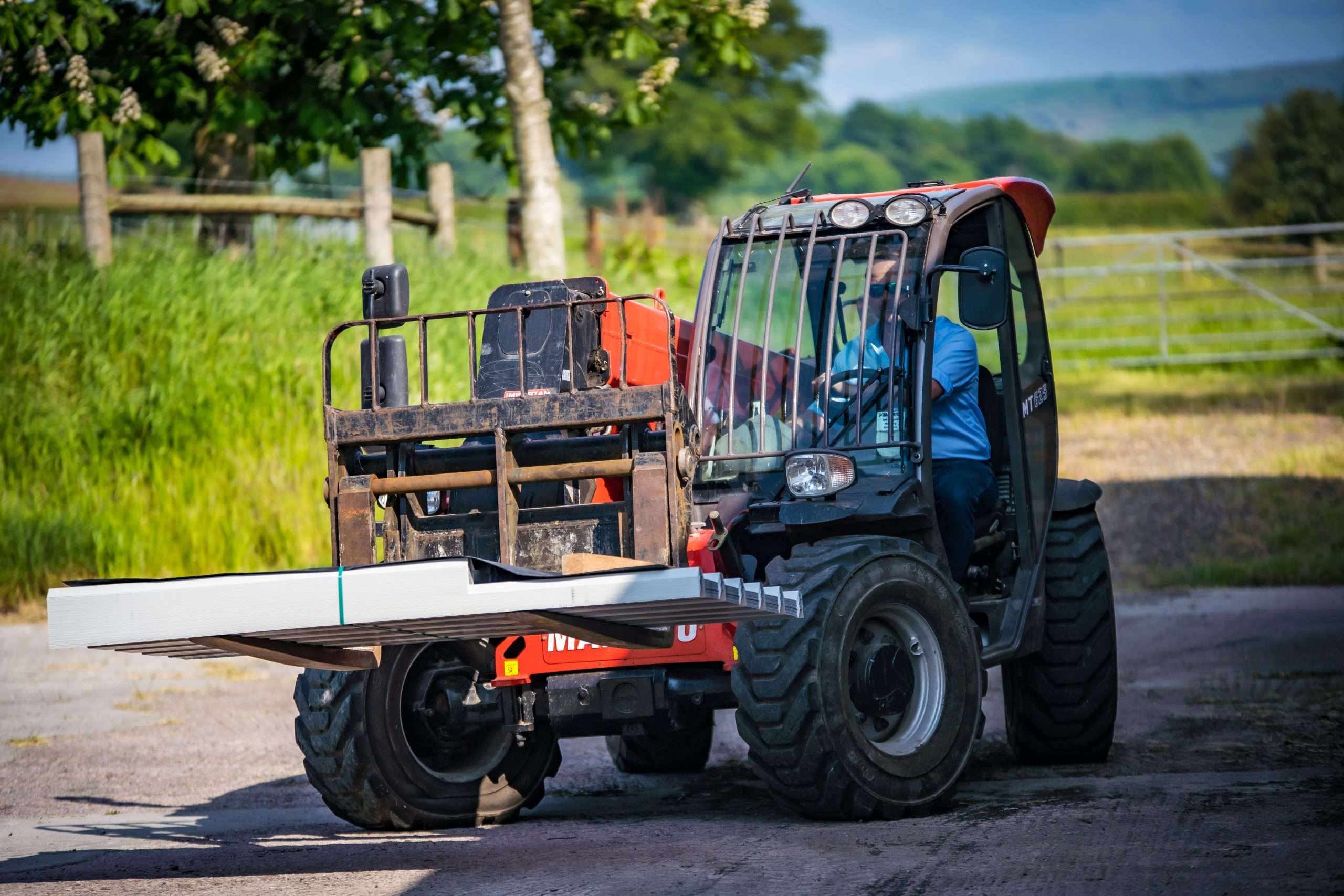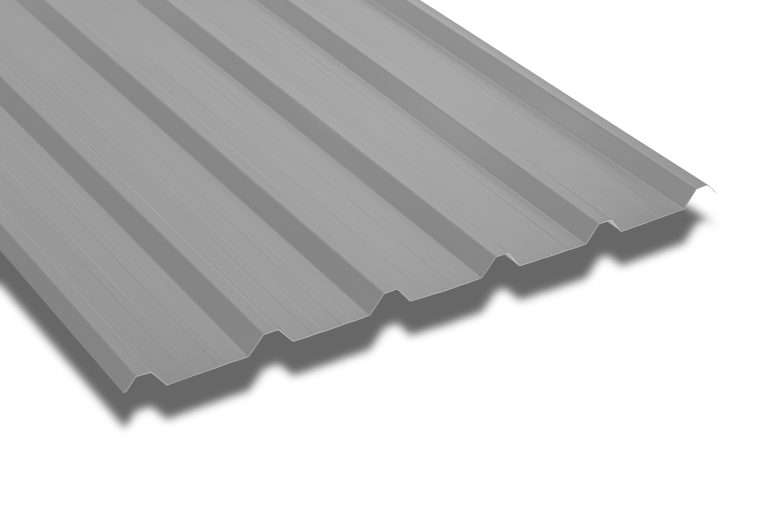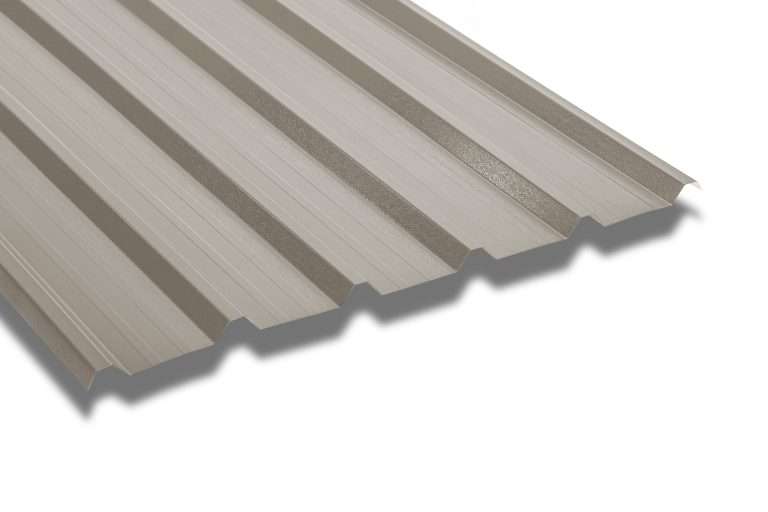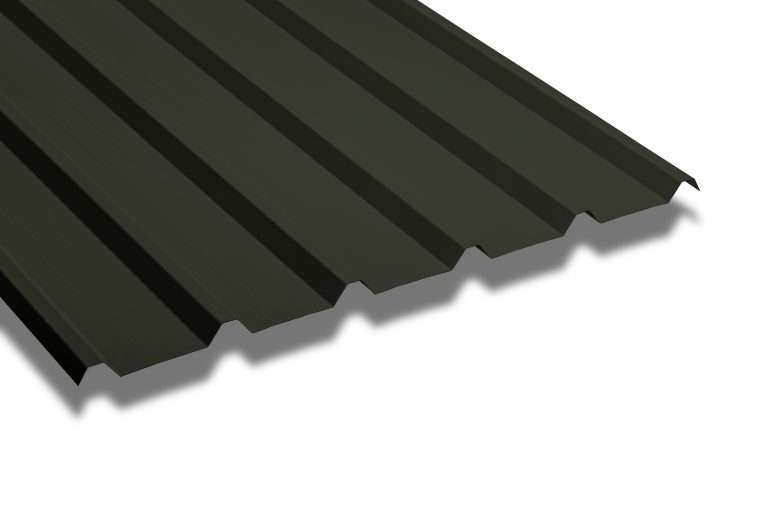


MCS Roofing™ makes Corrugated Roof and Wall sheets using high-quality UK sourced TATA DX51D+Z275 Galvanised Steel. Our TATA DX51D+Z275 Galvanised Steel Sheets are available in 0.7mm thickness.
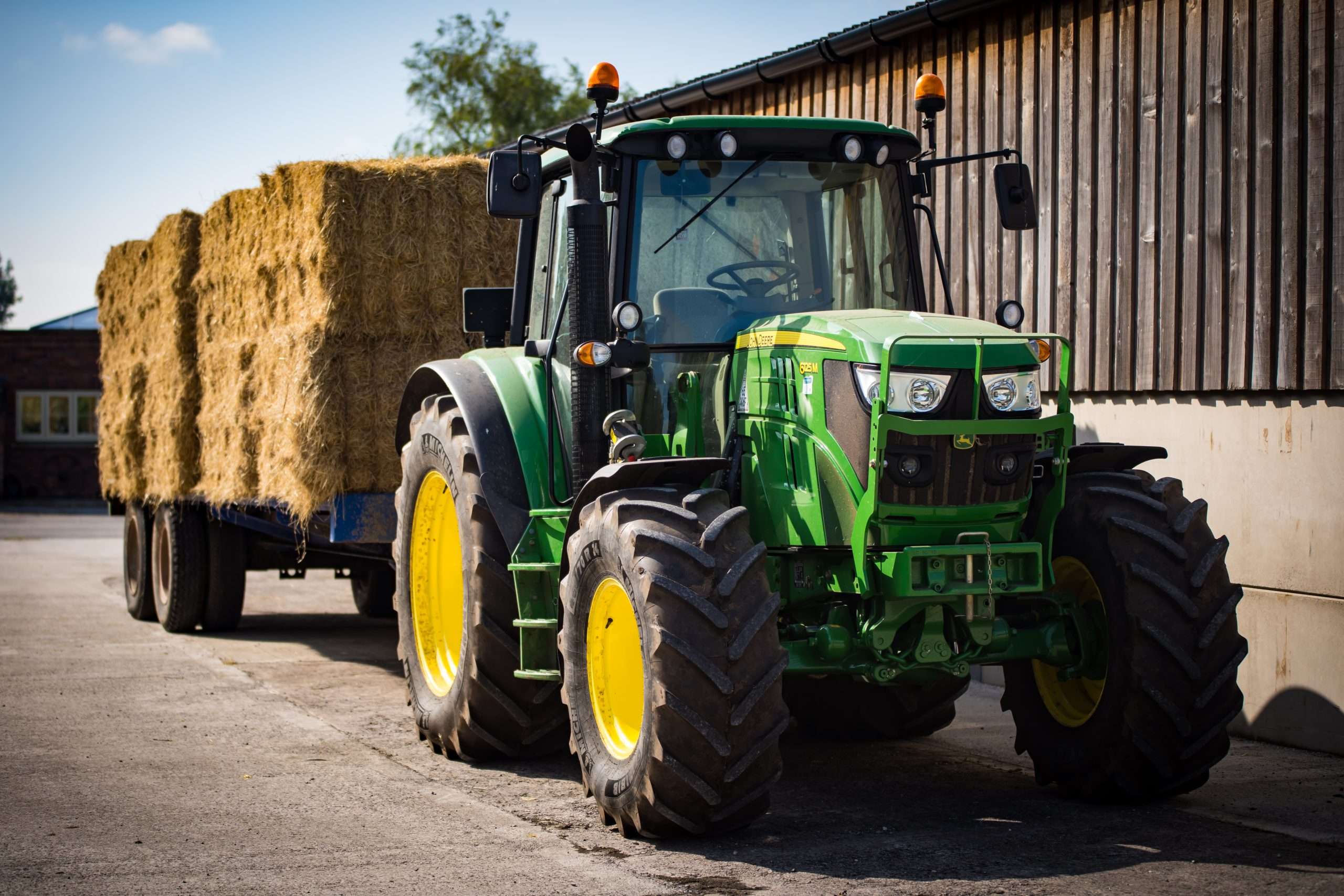
This profile is well established & traditional. The 3” inch corrugated metal sheet (sometimes referred to as wrinkly tin) is still popular after many years with its modern traditional design, which aims to create a timeless space that has touches of vintage and rustic looks, with elements of the modern age. This makes it an ideal choice for use in conservation areas, domestic properties, shepherd huts and fencing projects, as well as industrial, agricultural, and equestrian buildings.
We only use the best galvanised steel DX51D+Z275.
DX51D+Z275 refers to hot dip galvanising with a 275g/㎡ double-sided layer of Zinc. The purpose of hot dip galvanising is to prevent the steel substrate from rusting. Using 80g/㎡ of Zinc is quite common in a lot of galvanised products, but using 275g/㎡ of Zinc provides a premium galvanised product.
Colour Disclaimer. Please note that although we do our best to make sure that the colours displayed on our website are accurate, the actual colours may vary due to inconsistencies with display monitors.
You may also need:
-
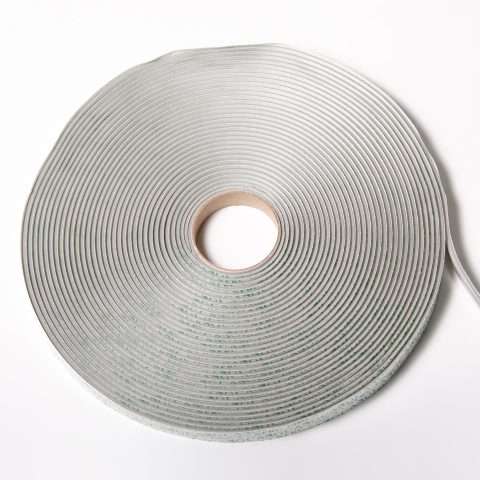 Laptape – Butyl Mastic Rubber – Sealant-Adhesive – 3mm x 9mm x 15m Roll£6.06
 -
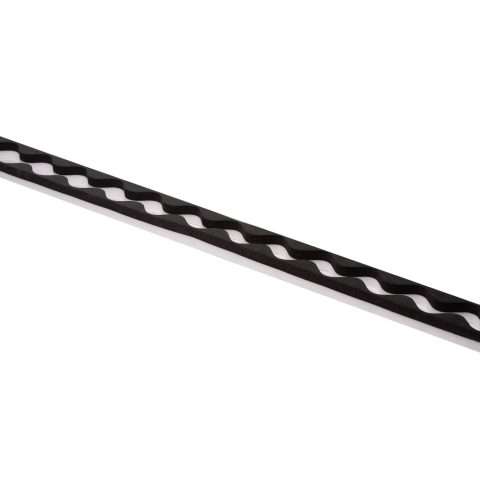 Foam Fillers for 13/3 Corrugated – High Density – Ridge and Eaves Pair£4.08
 -
 Translucent GRP Rooflight in 13/3 Corrugated Profile – 3050mm (10ft)£54.00
 -
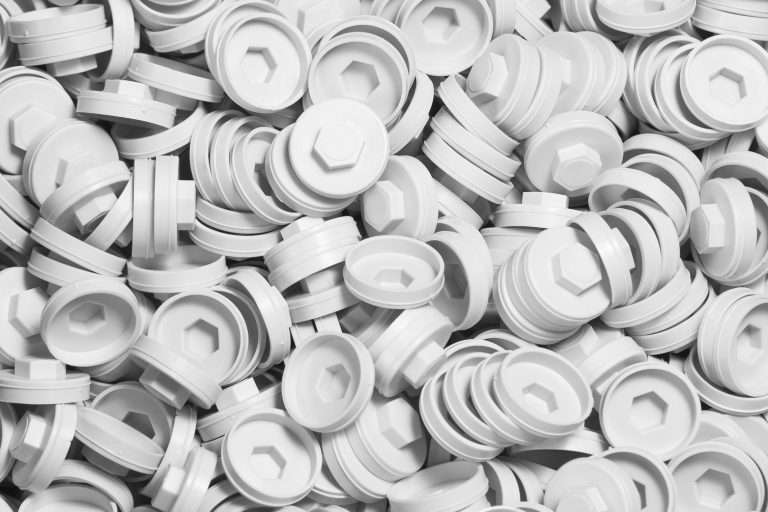
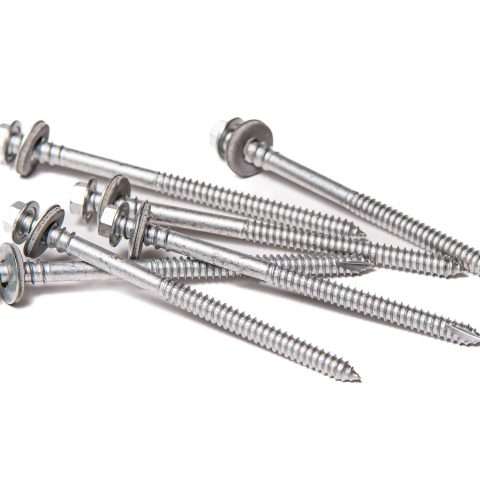 Screws for Timber – 60mm – 19mm Washer – Qty 100£19.68
 -
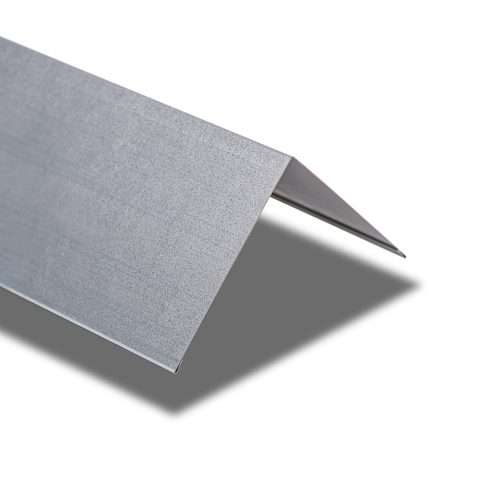 Barge Flashings in a Galvanised Coated Finish – 3000mmPrice range: £19.92 through £38.34
 - Ridge Flashings in a Galvanised Coated Finish – 3000mmPrice range: £19.92 through £38.34
-
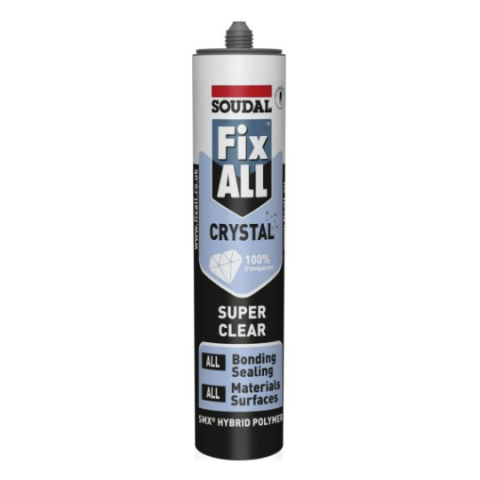 Soudal – Fix ALL Crystal – Adhesive & Sealant – 290ml£13.14
 -
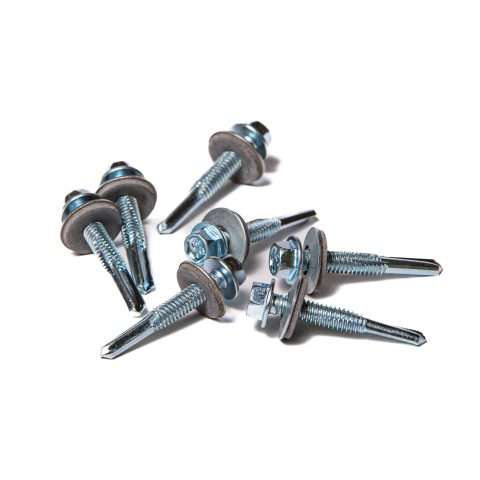 Screws for Heavy Gauge Steel – 76mm – 19mm Washer – Qty 100£24.00
 -
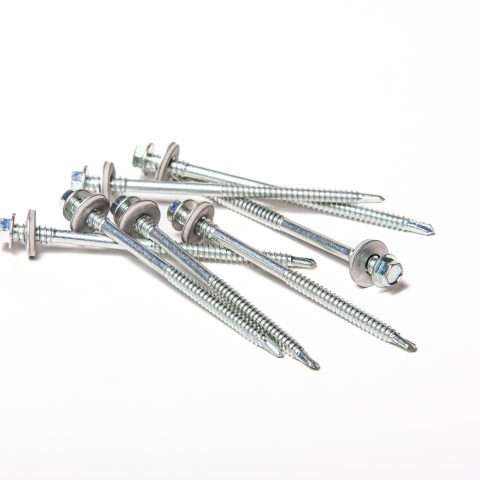 Screws for Light Gauge Steel – 50mm – 19mm Washer – Qty 100£16.80
3″ INCH CORRUGATED
- Max Length: 8000mm
- Min Length: 1000mm
- Min Pitch: 10º


LARGE ORDER DISCOUNTS AVAILABLE
MCS Roofing & Cladding Supplies is a family run business and we pride ourselves on providing excellent customer service. If you would like any help or assistance, please don’t hesitate to call us on 01538 398 708 or email info@mcsroofing.co.uk where our friendly team will be waiting to help you.
Datasheets
DRIPSTOP®
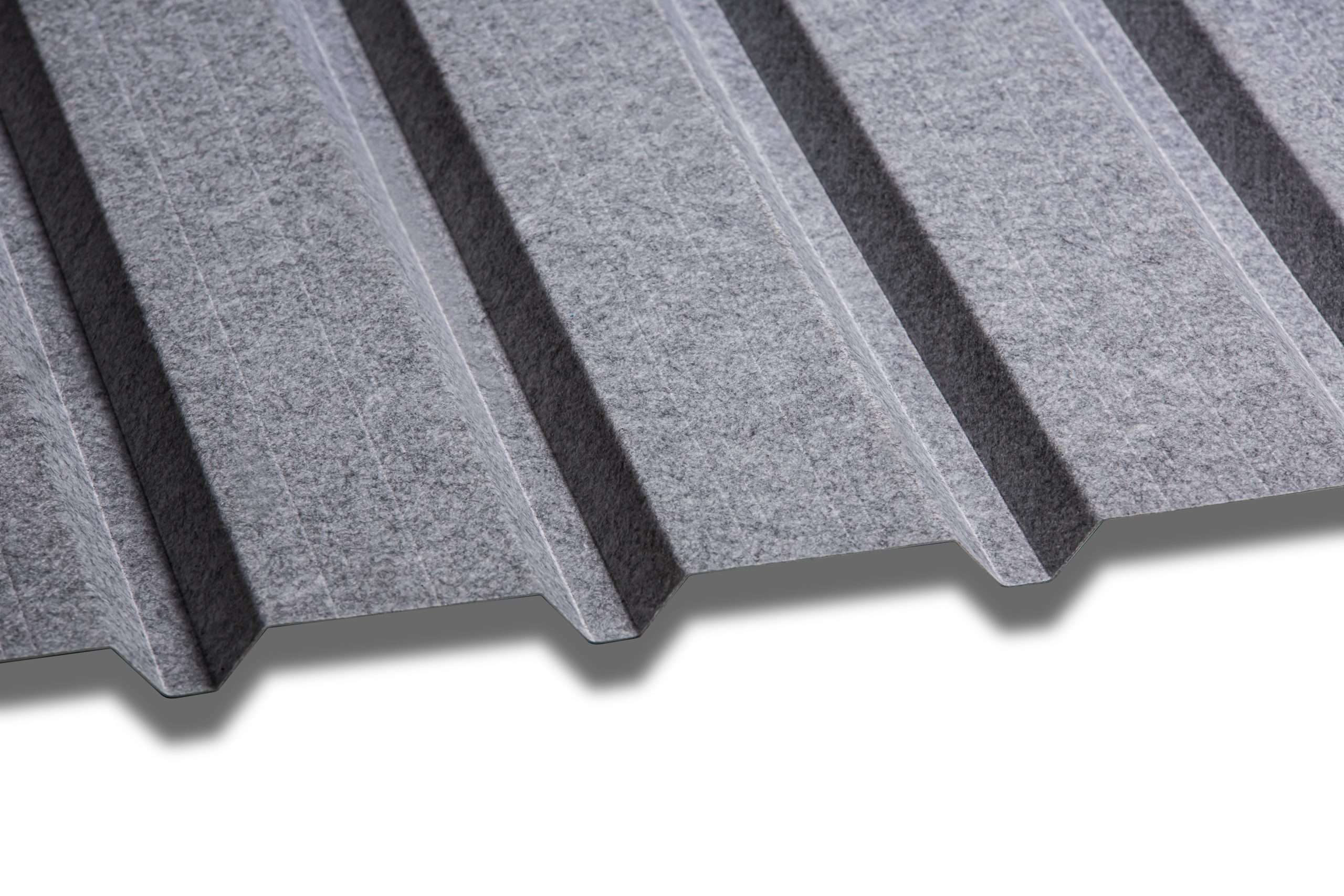
Filc Dripstop® Anti-Condensation Membrane
Don’t let condensation from your metal roof cause the contents of your building to be rained on, Dripstop anti-condensation membrane is a cost-effective solution for preventing dripping caused by condensation. You can fight condensation without insulation and vapour barrier. When climate conditions cause condensation to occur, Dripstop absorbs and holds that moisture in specially designed pockets in the membrane. When climate conditions go back above the dew point, the moisture is released back into the air as normal humidity. Our roof and cladding sheets can be manufactured with the addition of a Dripstop backing. This is an easy process and is applied at the roll forming stage.
Advantages
In cases where liners and insulation are installed below the roof of a building, Dripstop prevents condensation from dripping down into the cavity between the new and old roof, without the need for additional insulation. On structures built for livestock, the layer of rubber between the membrane and the steel panel can help reduce corrosion and may prolong the life of a building. It is advantageous to use Dripstop for these applications because it is easy to clean, anti-microbial and hoses off or can be pressure washed. It is durable, and very difficult to cut or slice through. Reduces labour costs by eliminating one step of the building process, due to the steel roof sheets arriving onsite with the Dripstop already applied. Dripstop can also reduce rain noise.
Summary
- Prevents condensation dripping.
- Rubber adhesive backer gives it an extra layer of protection against contaminants that cause corrosion.
- Reduces labour costs due to the elimination of one step of the building process.
- Reduces rain noise.
- Durable
- Easy to clean, using a pressure washed if needed.
Installation Advice
We recommend heat treating the edges, eaves, and end laps for a couple of reasons. By itself, DripStop is resistant to mould and mildew. But as dirty rainwater runs down a roof, organic material can get trapped in the air pockets in the membrane. These organics provide food for mould and mildew to feed off and grow from. Besides hurting the appearance, this mould and mildew can spread once it takes hold. This can accelerate the second problem which is wicking moisture in the building. Glazing prevents the wicking of moisture back up which can slow the evaporation process. On end laps (panels lapped over each other from ridge to eave typically found in wider buildings where a single panel length is not possible), heat treating keeps the water from wicking in as it runs down the roof during rain or snow.
As an alternative, we recommend that during the roofing sheet installation process, any sheet that is overlapped in length, or any sheet that ends in the gutter must be varnished with a water-based lacquer or paint for at least the first 50mm. This is a simple and effective method of preventing capillary action.
Video – DRIPSTOP®